Home Safe Buying Guide India: Burglary Ratings, Fire Protection, Size and Installation
A home safe can protect documents, jewellery, cash and small valuables from casual access, but not every steel locker is a burglary-resistant safe. Product pages often emphasise thickness, weight, keypad access or a fireproof claim without explaining what was tested. The useful questions are more specific: what threat is the safe designed to resist, how is it fixed to the building, what can it actually hold, and who can service the lock?
This guide helps Indian households compare home safes without treating a consumer locker as a substitute for insurance, a bank locker or a professionally specified commercial vault.
1. Start with what you need to protect
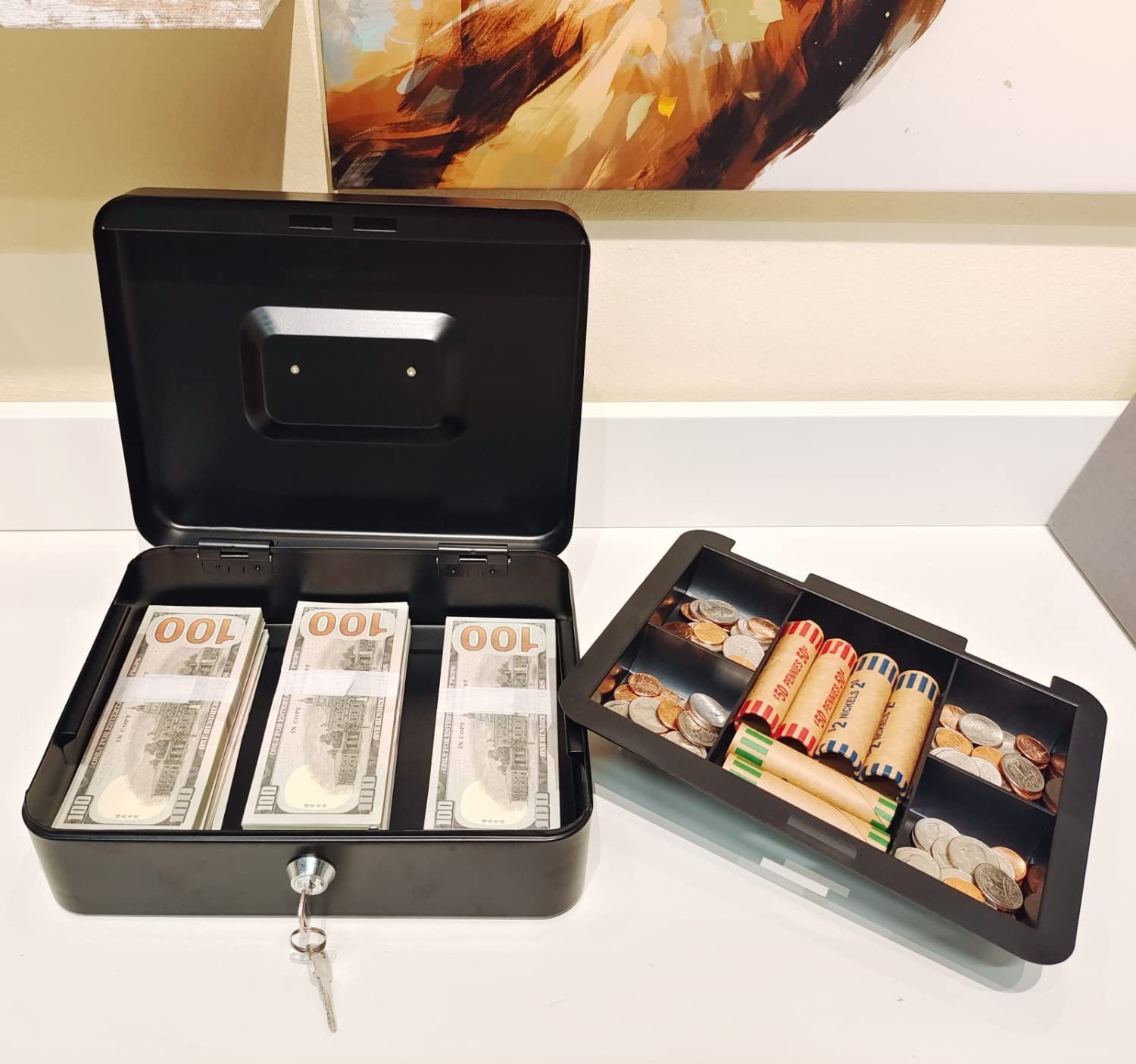
Make a list of the items and their dimensions before comparing litres of internal capacity. Passports, property papers, certificates, backup drives, jewellery and small cash bundles have different storage needs. Documents may need protection from moisture and heat; jewellery needs compartments that prevent scratching; a small safe may not accommodate A4 folders without folding them.
Also consider the likely threat. A basic lockbox may deter opportunistic access but offer limited resistance to tools. A certified burglary-resistant safe is a different class of product. Fire protection and burglary resistance are separate performance claims: one does not prove the other.
2. Understand burglary resistance and BIS IS 550
BIS publishes IS 550 (Part 1):2022 for high-security burglary-resistant safes with double-wall construction on all six sides. BIS's 2024 implementation circular notes that the standard's scope is high-security burglary-resistant safes and that Amendment No. 1 was to be implemented by 10 December 2024: https://services.bis.gov.in/tmp/Circular_aFyi_2024-08-05.pdf
Do not assume that every household electronic safe is covered by this standard or carries a certified burglary-resistance rating. Ask the seller for the exact Indian Standard, current BIS licence details, product model and scope of certification. Verify the licence for that model rather than accepting a generic ISI logo image.
If the product is described as “anti-theft”, “high security” or “burglar proof” but no test standard or independently verifiable rating is supplied, treat the claim as marketing, not a performance guarantee.
3. Fire-resistant safe or burglary-resistant safe?
A fire-resistant safe is designed and tested for a defined temperature/time exposure and internal temperature limit, often with a stated media type such as paper or digital storage. Burglary resistance concerns resistance to forced entry. A safe may have one capability without the other.
Ask for the actual test standard, duration and temperature classification; whether the rating applies to paper documents or digital media; and whether the tested model is the exact one being sold. Do not infer fire protection from thick walls, a heavy door or a “fireproof” label.
For irreplaceable papers, consider waterproofing and moisture management separately. A fire event may involve water from firefighting, but not every fire-rated safe is waterproof.
4. Lock types and access control
| Lock type | Advantages | Points to check |
|---|---|---|
| Mechanical combination | No battery dependency | Combination changes, dial quality and service availability |
| Key lock | Simple operation | Key control, duplicate-key risk and secure spare-key storage |
| Electronic keypad | Convenient codes and user management on some models | Battery access, low-battery warning, lockout behaviour and override method |
| Biometric | Quick access without remembering a code | Sensor reliability, backup access and privacy/data handling |
A digital keypad is not proof of stronger burglary resistance. Check the boltwork, door construction, hinges, lock certification if claimed, emergency override and what happens when batteries fail. Never store the override key beside the safe.
5. Capacity, shelves and internal layout
External dimensions determine whether the safe fits through the doorway and into its installation location. Internal usable dimensions can be substantially smaller because of wall thickness, door hardware and boltwork. Check both sets of measurements and the door swing.
For papers, measure the largest folder or envelope. For jewellery, look for removable trays and soft-lined compartments. For electronic media, confirm the interior arrangement and the manufacturer's specific media-protection rating. Avoid buying a safe based only on its advertised litre figure.